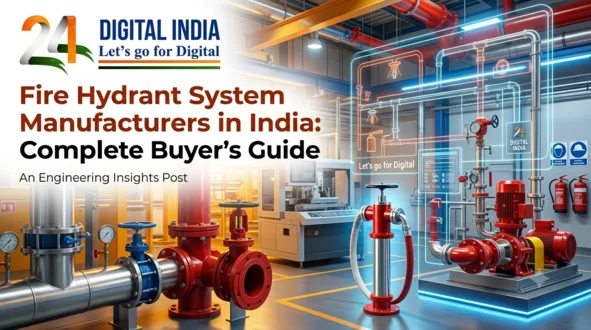
Fire Hydrant System Manufacturers in India: Complete Buyer’s Guide
Choosing the right fire hydrant system manufacturer in India is one of the most important safety decisions for any building owner, contractor, or facility manager. A well-designed hydrant system can mean the difference between a contained incident and a major loss. This guide explains what these manufacturers supply, the main types of hydrant systems, the standards that apply, and how to pick a reliable supplier.
What Do Fire Hydrant System Manufacturers Produce?
Fire hydrant system manufacturers design and supply the equipment that delivers water for firefighting. Their product range usually includes:
- Fire hydrant valves (indoor and outdoor)
- Landing valves for fire hose connections
- Risers (wet and dry)
- Pillar and post indicator hydrants for external use
- Underground hydrant systems with valve chambers
- Hose reels and hose boxes
- Pipes, fittings, and couplings
- Pumps and storage tank connections, in some cases
Many manufacturers also offer design support, installation guidance, and annual maintenance services.
Types of Fire Hydrant Systems
1. Wet Riser System
A wet riser keeps water permanently charged in the pipe. When a valve opens, water is available immediately. Wet risers are common in tall buildings where fast response is critical.
2. Dry Riser System
A dry riser stays empty until the fire brigade connects its pump and fills the pipe. Dry risers are often used in buildings where keeping the pipework full is impractical, such as areas with freezing risk or certain parking structures.
3. Underground Hydrant System
Underground hydrants are installed in ground-level valve chambers and are typically used for external water supply in industrial plants, campuses, and large complexes.
4. Pillar and Post Indicator Hydrants
These are above-ground hydrants that are easy to spot and access. They are commonly installed along roads, in housing societies, and in industrial estates.
Standards and Compliance in India
Fire safety equipment in India is governed by the National Building Code of India (NBC) 2016, which sets requirements for fire protection in buildings, including hydrant and riser provisions. Equipment should also conform to relevant Bureau of Indian Standards (BIS) specifications for materials, dimensions, and pressure performance.
Before buying, ask every manufacturer for:
- Test certificates for pressure and leak testing
- BIS conformity or relevant certification details
- Material specifications (for example, the grade of cast iron, brass, or steel used)
- Drawings showing layout and connection sizes
- Confirmation that the product suits your building’s fire-safety design
Key Factors When Choosing a Fire Hydrant System Manufacturer in India
1. Certification and testing. Compliance documents are non-negotiable. A manufacturer that cannot provide test reports should be a red flag.
2. Manufacturing quality. Look for consistent casting, corrosion-resistant coatings, and precise threading on couplings. Poor quality valves can fail during an emergency.
3. Project experience. Ask for examples of completed projects similar to yours, such as a hospital, factory, high-rise, or warehouse.
4. Design and engineering support. A good manufacturer helps calculate flow and pressure requirements, plans pipe routing, and recommends the right system type.
5. Installation and after-sales service. Confirm who installs the system, how long the warranty lasts, and how quickly they respond to service calls.
6. Spare parts availability. Hydrant components wear over time. Make sure replacement valves, gaskets, and hose fittings are readily available.
7. Pricing transparency. The lowest quote is not always the best value. Compare materials, warranty terms, and included services, not just the total price.
Why Local Sourcing Matters in India
Working with a domestic manufacturer often means faster delivery, easier access to technical support, and simpler coordination with local fire departments and inspectors. Many Indian manufacturers also understand the specific requirements of local building codes and climate conditions, such as monsoon-related corrosion and high-humidity environments.
Maintenance Tips for Fire Hydrant Systems
Even the best system needs regular care. Follow these practices:
- Inspect valves and outlets monthly for leaks, damage, or obstruction
- Test the system at least annually, or as required by local regulations
- Keep caps and threads clean and protected from debris
- Record all inspections and repairs for audits and insurance
- Train staff on the location and basic operation of hydrant equipment
Frequently Asked Questions
What are fire hydrant system manufacturers in India?
They design and produce the valves, risers, pipes, and fittings used to supply water for firefighting in buildings and outdoor areas.
What is the difference between wet and dry riser systems?
A wet riser holds water in the pipe at all times for immediate use. A dry riser remains empty until fire services fill it.
How do I choose the right manufacturer?
Verify compliance with NBC 2016 and BIS specifications, check test certificates and project history, and confirm the warranty and after-sales support.
Get a Fire Hydrant System Quote
If you are planning a new installation or upgrading an existing system, 24Digitalindia can help you select the right configuration for your building. Contact us for a site assessment, product catalogue, and detailed quotation.